


Mastering the Allergy Season: Effective Strategies for Reducing Pollen Exposure

As the sun begins to shine and flowers bloom, many individuals experience the familiar symptoms of hay fever, a common form of allergic rhinitis. Pollen from trees, grasses, and weeds can wreak havoc on the lives of those sensitive to these seasonal irritants. While there are various treatments available, including antihistamines and nasal steroids, taking proactive steps to minimise exposure to pollen can significantly improve your quality of life. In this article, we will explore effective strategies for reducing pollen exposure, helping you navigate allergy season with ease.
Understanding Pollen and Allergic Rhinitis
Pollen is a fine powder produced by trees, grasses, and flowers during their reproductive cycles. For many, inhaling this microscopic dust leads to hay fever and is a significant source of frustration. Symptoms can include sneezing, itchy eyes, nasal congestion, and fatigue. This condition can deeply affect your daily activities, but being informed about pollen sources and exposure can help you manage symptoms effectively.
Peak Pollen Times
Understanding when pollen counts are highest is crucial in planning your day. As a general rule:
Morning Hours: Pollen levels typically peak in the early morning, making it advisable to avoid outdoor activities during this time.
Rainy Days: Rain can temporarily reduce pollen counts, so take advantage of rainy days to spend more time outdoors.
Weather Patterns: Windy days can increase pollen spread, so check forecasts and plan accordingly.
Creating a Pollen-Free Home Environment
Your home should be a sanctuary from the ~environment~ chaos outside. Here are effective techniques to create a more comfortable living space:
1. Keep Windows Closed
During high pollen seasons, it's best to leave windows closed to prevent pollen from entering your home. Instead, rely on air conditioning or air purifiers equipped with HEPA filters for indoor cooling.
2. Clean Regularly
Regular cleaning can help eliminate pollen that may have entered your home. Focus on:
Vacuuming: Use a vacuum cleaner with a HEPA filter to capture particles effectively.
Dusting: Dust surfaces frequently to prevent pollen build-up.
Washing Bedding: Clean bed linens and curtains regularly, ideally in hot water to remove allergens.
3. Use Indoor Plants Wisely
While indoor plants can improve air quality, some may contribute to allergies. Opt for hypoallergenic varieties and avoid keeping them near windows where they might trap pollen.
Outdoor Strategies for Pollen Reduction
When stepping outside during allergy season, implementing certain strategies can drastically lessen pollen exposure.
1. Timing is Everything
As mentioned previously, try to plan outdoor activities during lower pollen times. Early morning and windy days are typically when the pollen counts are at their highest, so consider rescheduling your jog or outdoor chores.
2. Wear Protective Gear
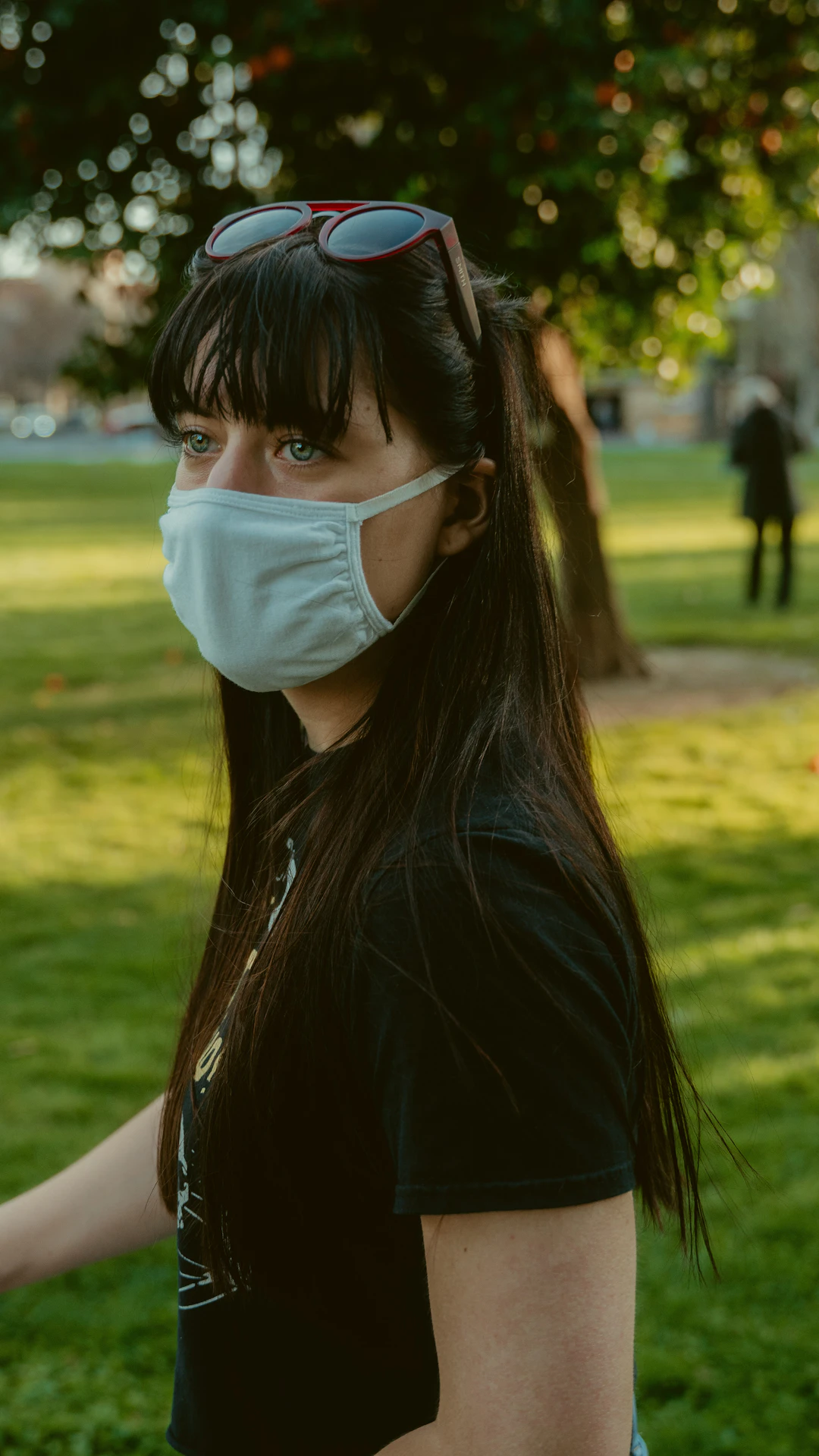
Consider wearing sunglasses or goggles to protect your eyes from pollen. You might also wear a mask to filter out allergens while gardening or doing outdoor work.
3. Limit Yard Work
Yard work can stir up pollen, so try to limit your time outdoors when the pollen counts are high. If you must do yard work, consider having a friend or family member assist to minimise your exposure.
Managing Symptoms with Help
Even with the best strategies in place, some individuals may still suffer from hay fever symptoms. If you find that over-the-counter remedies like antihistamines or nasal steroids are insufficient, it may be time to consult a medical professional. Options like immunotherapy can help build tolerance to pollen over time, offering long-term relief from symptoms.
Embracing a Healthier Lifestyle
Your immune system plays a significant role in the severity of allergic reactions. Adopting a healthier lifestyle can help strengthen your body’s response:
Eat Anti-Inflammatory Foods: Foods rich in omega-3 fatty acids and antioxidants can help reduce inflammation in the body.
Stay Hydrated: Drinking plenty of water can thin mucus in your nasal passages, making it easier to expel allergens.
Regular Exercise: Engaging in regular physical activity can enhance your immune function and overall well-being.
Allergens to Avoid
In addition to pollen, consider other allergens that may compound your symptoms. Here are common culprits you may want to reduce exposure to:
Dust Mites: These microscopic creatures thrive in bedding, furniture, and carpets. Regular cleaning and using allergen-proof pillows can help.
Pet Dander: If you're an animal lover, be mindful of how pet hair affects your allergies. Regular grooming and limiting pets from bedrooms can reduce exposure.
Mould: Moist environments can breed mould, another common allergen. Keep bathrooms dry and ensure proper ventilation.
Tools and Technologies for Pollen Monitoring
Keeping track of the pollen count in your area can empower you to make smarter decisions. Here are some methods to stay informed:
Pollen Apps: Numerous mobile apps can provide daily pollen forecasts tailored to your specific area.
Weather Reports: Many weather services give pollen counts along with forecasts; tune in to daily updates.
Online Resources: Websites dedicated to allergy sufferers often provide pollen count alerts and recommendations on the best days for outdoor activities.
When to Consult an Allergist
If your hay fever symptoms are severe or unmanageable despite trying various methods, it may be time to see a specialist. An allergist can perform tests to identify specific triggers and help you develop a tailored management plan that may include immunotherapy or other advanced treatments.
Fun Ways to Enjoy the Outdoors Despite Allergies
Don't let allergies stop you from enjoying the beauty of nature! Here are some enjoyable activities you can do while being mindful of pollen:
Visit Indoor Gardens: Many botanical gardens have indoor exhibitions. Enjoy the beauty of plants without the pollen!
Photography: Capture the beauty of the world through your lens. You can often do this in nature while keeping a safe distance from pollen sources.
Plan an Indoor Picnic: Bring nature indoors by organising a picnic in your home or community hall, ensuring you enjoy the outdoor vibe without allergy triggers.
Living Your Best Allergy-Free Life
As we navigate the seasons, adapting and employing these strategies can significantly reduce pollen exposure and alleviate the symptoms of hay fever and allergic rhinitis. With careful planning and commitment to lifestyle changes, you can embrace a healthier, more enjoyable life during peak seasons. Remember that consultation with healthcare professionals for appropriate treatments like antihistamines, nasal steroids, or even immunotherapy can be game-changers in this journey.
By taking charge of your allergic reactions and implementing these practical tips, you can continue to thrive, even amidst the pollen-laden air. Cherish every moment of the great outdoors while remaining at the top of your allergy game!
FAQs
What is hay fever and what are its symptoms?
Hay fever, a common form of allergic rhinitis, is caused by pollen from trees, grasses, and weeds. Symptoms include sneezing, itchy eyes, nasal congestion, and fatigue.
When are pollen counts typically highest?
Pollen counts are generally highest in the early morning. It's advisable to avoid outdoor activities during this time, particularly on windy days when pollen can spread more easily.
How can I create a pollen-free home environment?
To create a pollen-free home, keep windows closed, clean regularly with a HEPA filter vacuum, dust surfaces frequently, and wash bedding regularly in hot water.
What are some outdoor strategies I can use to reduce pollen exposure?
Plan outdoor activities during lower pollen times, wear protective gear like sunglasses or masks, and limit yard work during high pollen counts.
When should I consult a medical professional for my allergies?
If over-the-counter remedies like antihistamines or nasal steroids do not relieve your hay fever symptoms, it may be time to consult a medical professional or allergist for tailored treatment options.


Comments